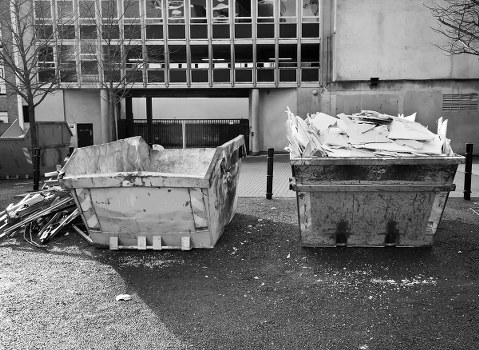
Health and Safety Policy for Office Clearance Chessington
This document sets out the Health and Safety commitments and operational expectations for teams delivering office clearance and commercial rubbish removal. The policy applies to all staff, contractors and sub-contractors engaged in office clearance services in the Chessington area and recognises the importance of managing hazards associated with dismantling furniture, handling electronic waste, and transporting mixed office refuse. It is written to support safe rubbish company operations without overloading with local statutory detail.
Scope and Objectives
The primary objective is to prevent injury and ill-health, maintain a safe working environment and ensure efficient waste handling. This policy covers planning, risk assessment, staffing, training, equipment and control measures used in commercial clearance, office rubbish collection, and on-site sorting. It also outlines responsibilities for reporting hazards and continuous improvement in the removal of office waste.Roles, Responsibilities and Communication
All personnel must be familiar with their roles. Managers are responsible for ensuring appropriate risk assessments and method statements are prepared for each job. Operatives must follow instructions, use provided controls, and report unsafe conditions. Supervisors will maintain clear on-site communication, using briefings at job start and periodic checks during office clearance operations.Routine pre-job checks will confirm vehicle suitability, lifting aids and personal protective equipment are in place. Where a job requires specialist handling of large or awkward items, teams will work in pairs or use mechanical aids to reduce manual handling risks. The policy places emphasis on team communication, safe lifting techniques and the correct use of trolleys, sack trucks and furniture skates.
Risk Assessment and Task Planning
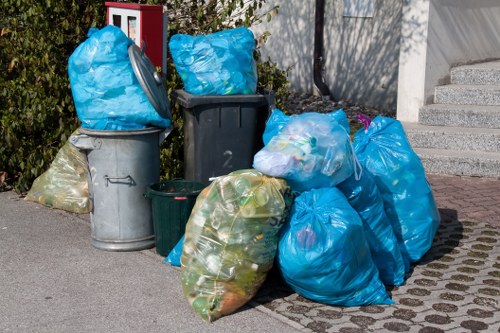
Prior to commencing any office collection or clearance, a documented assessment must identify hazards such as trip and fall risks, sharp objects, fragile items, e-waste, and traffic on access routes. Plans should define duties, emergency access, and any segregation required for recyclable materials. Simple, practical controls are adopted: clear walkways, labelled waste streams and staged loading to avoid overloaded vehicles.Training, Competence and PPE
Staff will receive induction training specific to office clearance work, including manual handling, hazardous material awareness, and correct use of PPE. PPE standards include gloves, hi-visibility clothing, safety footwear and eye protection where necessary. Training records shall be maintained and refresher training scheduled to reinforce safe rubbish removal practices.Personal protective equipment must be inspected before use and replaced if damaged. Supervisors will ensure PPE is used consistently and provide alternatives for tasks that present particular exposure to dust, chemical residues or sharp components.
- Regular manual handling training and practical refreshers
- Equipment-specific instruction for trolleys, ramps and tail-lifts
- Awareness sessions for segregating recyclable office materials
Safe Handling, Segregation and Waste Storage
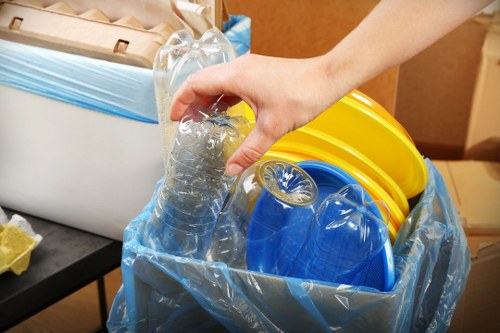
The correct segregation of waste reduces risk and improves recycling outcomes. Items such as cardboard, mixed office paper, metal fittings and general waste should be separated where practicable. Electronic waste and toner cartridges must be handled with care to prevent leaks and contamination. Designated holding areas should be tidy, labelled and secured to prevent unauthorised access.Good housekeeping is essential: remove debris promptly, maintain clear egress routes and ensure loading areas are level and well lit. Any spill or contamination is to be contained and cleaned using appropriate absorbents and tools, and reported to the supervisor for follow-up.
 Equipment Maintenance and Inspection
All mechanical aids, lifting equipment and vehicles used for office clearance must be inspected regularly. A simple checklist approach ensures items are roadworthy and safe for daily use. Faulty equipment should be tagged out of service and repaired by competent personnel.
 Incident Reporting, Emergencies and Continuous Improvement
Incidents, near-misses and unsafe conditions must be reported immediately and recorded to help prevent recurrence. Emergency procedures should be clear and proportionate to the task; staff must know evacuation routes and assembly points relevant to the premises where they work. The emphasis is on prompt reporting and learning rather than blame.
Monitoring and review will be continuous. Management will carry out periodic site audits, review incident reports and adapt procedures to reflect operational experience. The policy encourages suggestions from staff and contractors to enhance safety in the delivery of office clearance and rubbish removal services.
In summary, this policy demonstrates a commitment to maintaining a safe environment during all office clearance operations. By combining practical risk management, training, correct use of equipment and a culture of reporting, rubbish collection and commercial clearance work can be completed effectively while protecting people and property. All personnel are expected to adhere to these principles and contribute to safe, sustainable waste handling practices.
